What does it really take to be prepared for an emergency as a disabled person? It's a question driving a new workshop by WREMO, in partnership with Whaikaha | Ministry of Disabled People, and recently trialled with members of the Wellington Multiple Sclerosis Society.
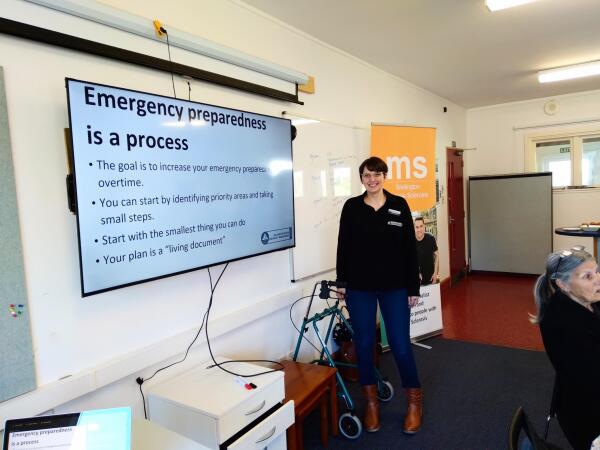
The workshop recognises something that's often overlooked: disabled people are already experts in navigating situations that weren't designed with them in mind. Those experiences can be a powerful foundation for emergency preparedness.
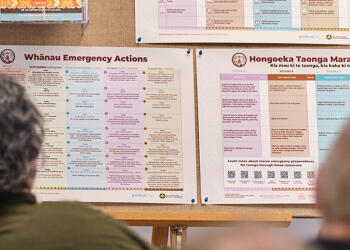
At the centre of the workshop is a practical guide that breaks emergency planning into four simple steps. Participants can work through it at their own pace, identifying the people and resources they rely on and who relies on them, to build a plan that reflects their unique needs and circumstances. Once completed, the guide is designed to be kept somewhere easy to access, for when it's needed most.
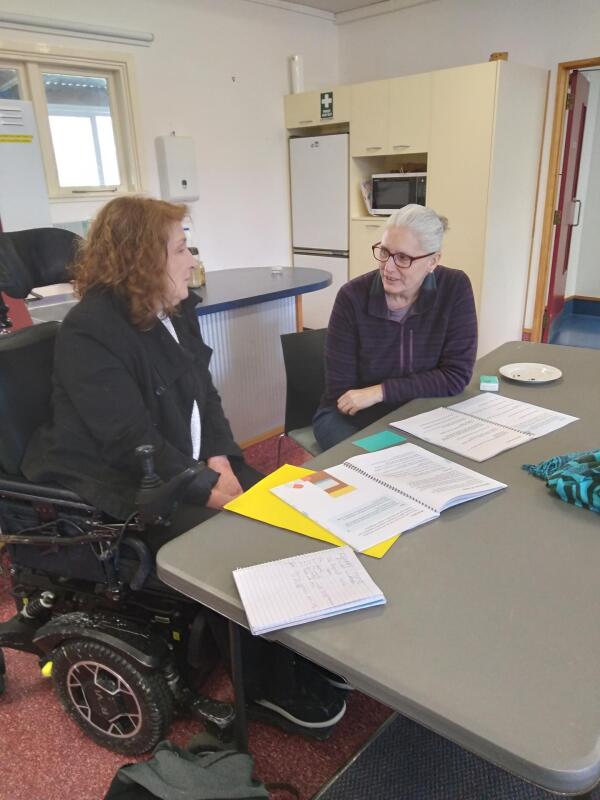
Just as importantly, the workshop is about conversation, connection and problem solving. Future community sessions will give people the chance to work through the guide together and learn from one another, as well as identify gaps in plans and advocate for change.
The workshop is based on the internationally recognised Person-Centred Emergency Preparedness (P-CEP) approach, developed by Professor Michelle Villeneuve and Collaborating for Inclusion at the University of Sydney. The approach has helped shift emergency planning from focusing solely on risks to recognising the strengths and capabilities people already bring to their own preparedness.
Learn more about the P-CEP approach here.