Happy Pride Month Te Ūpoko o Te Ika a Māui!
In emergency preparedness, inclusion matters. People rely on different support networks, including chosen whānau, friends, and community groups, so taking the time to check in, talk through plans, and strengthen connections helps ensure everyone is supported when it matters most. By valuing every member of our community and looking out for one another, we build resilience together.
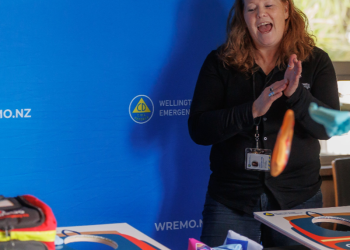
Across the Wellington Region, communities have been actively strengthening their emergency preparedness through locally led initiatives and regional collaboration. From rural areas like Ruakōkopatuna building skills and resource networks, to inclusive engagement at the Wairarapa Disability Expo, and practical neighbourhood activities during Neighbours Month, the focus has been on simple, people-powered actions that build confidence and connection. Alongside this, public consultation is now open for the Wellington Region CDEM Group Plan 2026–2031, inviting everyone to help shape how we prepare for and respond to emergencies into the future, with more opportunities to get involved through upcoming campaigns and community activities.
Ruakōkopatuna Community Takes Steps to Be Ready
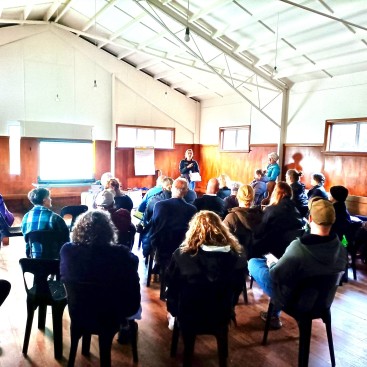
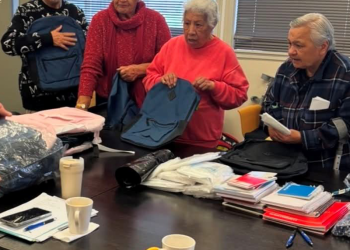
Residents of the Ruakōkopatuna valley are taking proactive steps to strengthen their emergency preparedness and ensure the community can cope if cut off. Recent events including Cyclone Gabrielle, severe flooding, and the loss of the Pirinoa Bridge showed how quickly rural areas can become isolated, even when close to town.
After meeting with WREMO and South Wairarapa District Council, locals learned that Community Emergency Hubs are less about stockpiling supplies and more about coordinating people, skills, and local resources. The valley already has valuable equipment such as generators, chainsaws, vehicles, Starlink connections, and heavy machinery that could support response and recovery.
The next step is creating a community skills and resources register so neighbours know who can help and how. While still in its early stages, the initiative has already strengthened local connections and confidence. Ruakōkopatuna is choosing to be ready showing that resilience starts with neighbours working together.
Have Your Say – Wellington Region CDEM Group Plan
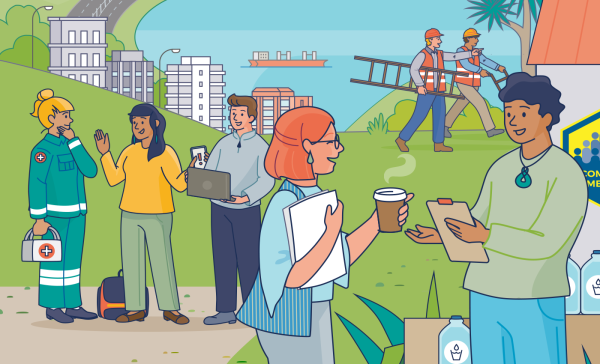 The Wellington Region Civil Defence Emergency Management (CDEM) Group is seeking feedback on its draft CDEM Group Plan for 2026–2031.
The plan sets out how councils, emergency services, iwi, lifeline utilities, government agencies, and communities will work together to manage emergencies across the Wellington region.
The CDEM Group Plan outlines how the region will:
- understand and manage risks from hazards
- prepare communities and organisations for emergencies
- coordinate response during emergencies
- support recovery afterwards.
The plan is based on the region’s long-term emergency management strategy and sets priorities for the next five years.
You can read the draft plan here: Draft Wellington Region CDEM Group Plan 2026–2031
We welcome feedback from individuals, organisations, iwi, businesses, and community groups.
Neighbours Month
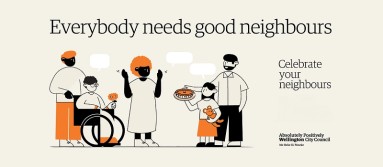
This Neighbours Month, Wellington City Council and WREMO are encouraging communities to take one simple step to strengthen neighbourhood preparedness. Activities can be as straightforward as creating a contact list, mapping local skills and tools, developing a neighbourhood plan, or organising a tsunami hīkoi. The focus is on small, practical actions that help people understand local risks, build confidence, and get to know the people around them.
Community groups and neighbourhoods are also being invited to add a resilience element to existing events. A BBQ, morning tea, or gathering can easily include a short conversation about preparedness, an introduction to the local Community Emergency Hub, or a hands-on activity such as making or testing emergency supplies. These low-key actions often spark valuable discussions and strengthen the relationships that communities rely on during and after emergencies.
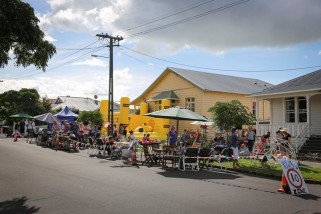 A wide range of resources are available to support these efforts, including grassroots planning guides, household checklists, disability-inclusive tools, and whānau-friendly activities. Residents can learn how Community Emergency Hubs work, find their nearest location, or explore whānau friendly tools like Ruaumoko’s Walk and What’s the Plan, Stan, or request new materials such as “Preparing Your Property for Wild Weather.” For those wanting to go further, there are proven event ideas - like Hub practice sessions, “Soup er Prepared” gatherings, disaster dress rehearsals, and workshops such as Keep Yourself Fed Well in an Emergency – offer engaging ways to help neighbourhoods get ready together.
“Living Our Best Lives” Wairarapa Disability Expo
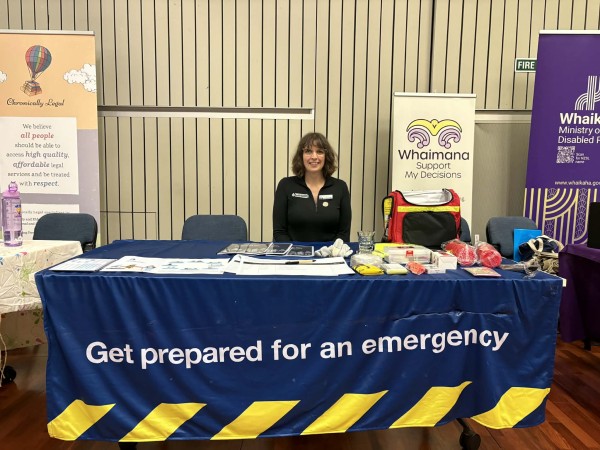 The Wairarapa Disability Expo, held at the Carterton Events Centre on Saturday 28 February, was a great celebration of the people and organisations working to make our region more inclusive. With the theme “Living Our Best Lives,” the expo brought together local groups offering services, resources, and support to help disabled people live meaningful, self‑directed lives. Visitors enjoyed a full day of exhibits, performances, and workshops.
WREMO was invited to lead a session on the Disability Inclusive Emergency Management project, which looks at how we can reduce the extra impacts that emergencies have on disabled people.
Annual Campaign – Long or Strong, Get Gone
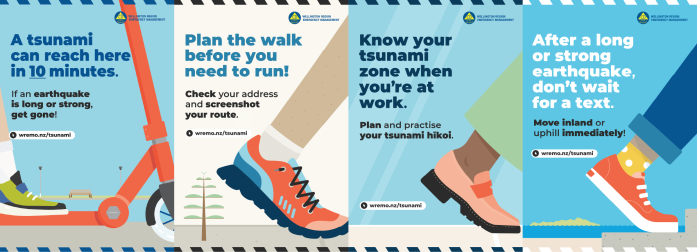 Wellingtonians are used to earthquakes – but knowing what to do next can make all the difference. Our latest campaign is designed to keep things simple and builds on the well-known message: long or strong, get gone.
Using bold colours, the campaign shows everyday ways people can move to safety – whether that’s walking, running, scootering or biking. It’s a reminder that getting to higher ground or further inland doesn’t have to be complicated, but it does need to happen quickly.
You’ll see and hear these messages across the region, all encouraging the same key actions: don’t wait for an official alert, know if you’re in a tsunami zone, and plan your route to safety ahead of time.
We’re helping our communities feel more confident about what to do in an emergency. Because when it matters most, clear thinking and quick action can help keep you and your whānau safe.
Visit wremo.nz/tsunami for information on how to prepare for an emergency before the tsunami warnings are made, wherever you are in the Wellington region.
Read, Watch & Understand
NZ On Screen
Looking for something meaningful to watch? NZ On Screen has a powerful collection exploring some of Aotearoa’s most significant national tragedies over the past 150+ years.
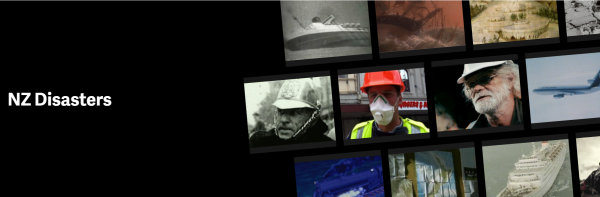
From the Wreck of the HMS Orpheus to the Mount Tarawera eruption, Wahine disaster, Mount Erebus disaster, Pike River Mine disaster and the Christchurch earthquakes, these stories reflect moments of loss, resilience, and recovery that have shaped our nation.
Historian Jock Phillips also shares insights into the patterns many disasters follow – reminding us why learning from the past is so important for preparing for the future. Watch here.
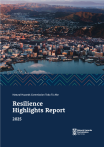 Natural Hazards Commission Toka Tū Ake – Resilience Highlights Report 2025
The latest Resilience Report from the Natural Hazards Commission Toka Tū Ake highlights how better planning today can help keep our communities safer in the future. Read the report here.
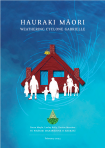 Hauraki Māori – Weathering Cyclone Gabrielle
This research highlights the strength of Māori-led responses & the need for emergency planning that includes Māori knowledge, leadership & equitable support systems. Read the report here.