Kia ora - Ngā mihi o Hine Raumati ☀️
As the year winds down and holiday plans ramp up, it’s a great time to focus on what makes our community strong: connection, caring for one another, taking time to rest, and looking out for our neighbours.
This year, we’ve been busy strengthening community resilience in ways that work for everyone. We’ve launched a new emergency preparedness guide adapted by and for disabled people, collaborated on a wild weather education resource, held our regional exercise involving over 400 people, and spent the past three months out in the community running workshops with schools, businesses, and community groups.
We know that accessible, inclusive, and practised preparation makes our whole community stronger.
New guide helps disabled people prepare for emergencies
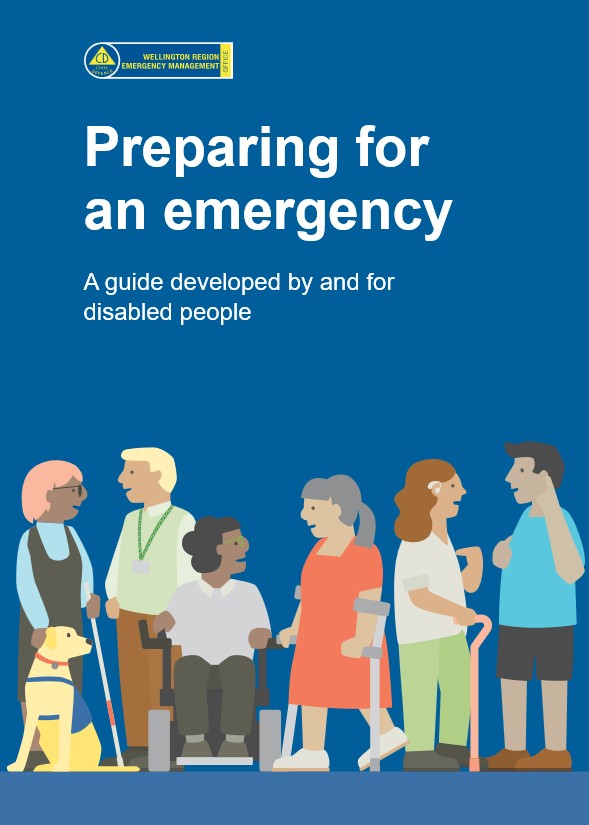
WREMO has launched a new emergency preparedness guide adapted by and for disabled people, timed with the UN International Day of Persons with Disabilities.
The guide is part of a bigger project making sure disabled people have the tools and support they need to plan for and get through emergencies. It’s a New Zealand version on the Person-Centred Emergency Planning (P-CEP) from Australia and has been adapted here in Aotearoa with the help of disabled people from across the region. Workshops will accompany the guide that focus on practical planning and having the right conversations before an emergency happens.
Whaikaha /Ministry of Disabled People and NEMA have both given their support and are working on a national version and alternate formats.
It’s the first guide of its kind in New Zealand and an exciting step toward a more inclusive, consistent and equitable emergency preparedness system for everyone.
👉 Resources available here: Alternative Formats/Resources for Disabled People
👉 Original research: Collaborating 4 Inclusion | Collaborating for inclusion of people with disability in the community.
Alternate formats and regional workshops are on their way in 2026.
Preparing your property for wild weather

We've been working alongside the Climate Adaptation team at Wellington City Council on a new public education resource, Preparing Your Property for Wild Weather. It’s designed to help both renters and homeowners take simple, practical steps to better protect their homes from unexpected severe weather.
While the project began with a focus on climate-smart landscaping, our strong working relationship allowed it to grow into a broader, action-based guide. The resource now includes targeted risk-reduction tips, clearly explains who is responsible for what, and points you to trusted information through the WREMO and Get Ready websites.
The aim is to support our community to feel informed, confident, and ready—encouraging practical actions that build resilience before wild weather hits.
Check it out here: https://www.letstalk.wellington.govt.nz/climate-action-info-hub/climate-action-at-home
Hundreds come together to strengthen emergency readiness

In November, more than 400 people from across the region took part in Exercise Terremoto - our bi-annual large-scale emergency readiness exercise designed to test how we work together in a major event.
The exercise brought together emergency services, councils, Marae, Community Emergency Hubs, community organisations, and partner agencies, helping strengthen the relationships and coordination that are critical during real emergencies. Practising together means we can respond faster, share information better, and support communities more effectively when it matters most.
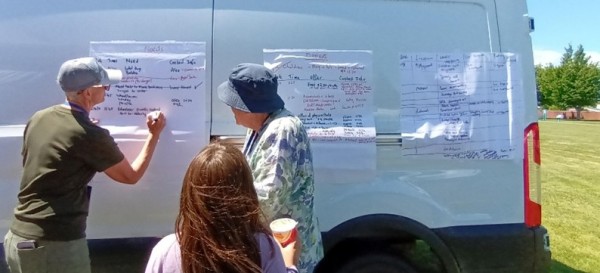
As part of the exercise, Community Emergency Hub champions carried out radio checks with the Emergency Operations Centre, boosting their confidence in using radios if other communication systems were unavailable. Council staff also used the opportunity to sharpen their radio skills, while hub champions are now ready to share their knowledge with their local communities, helping everyone stay prepared.
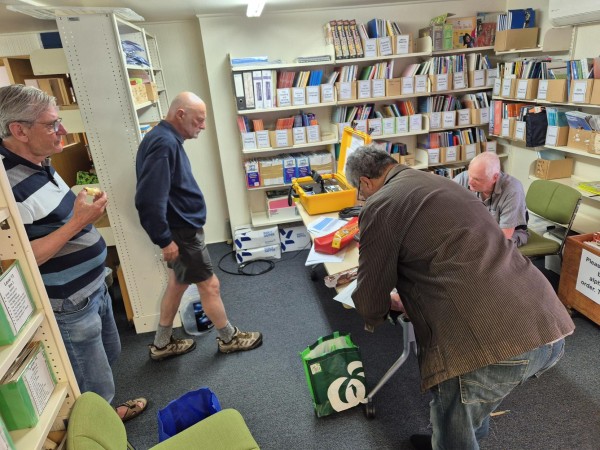 A big thank you to everyone involved, including the team behind the scenes who spent months planning the exercise. This kind of preparation helps ensure our region is better connected, better prepared, and more resilient.
Hongoeka Marae - Whānau Evacuation Practice
Hongoeka Marae has been working hard to make sure their coastal community is ready for “the big one.” As part of this, they put their emergency plan into action, inviting the whole community to take part.
Whānau were asked to evacuate to their pre-identified safe area out of tsunami zone, register themselves as safe, and explore what support, roles, and resources might be needed during an emergency. The day ended on a sweet note with ice cream from a local ice cream truck.
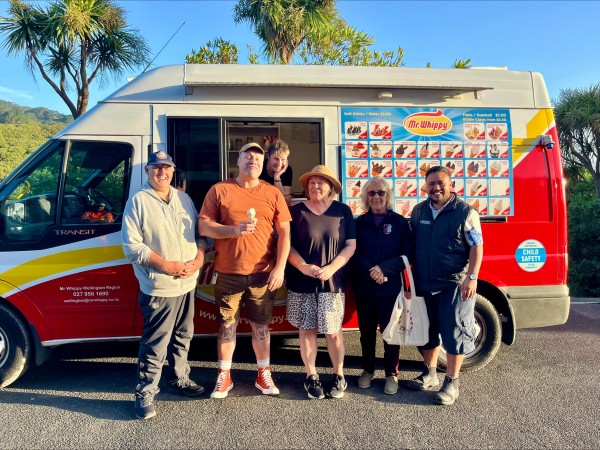
A huge congratulations to the organising team—the event was a great success, with over 70 people taking part and gaining a better understanding of preparedness and their own resilience.
Get Tsunami Ready

This summer we are encouraging Wellingtonians to get Tsunami ready.
All of the Wellington region’s coastline is at risk of tsunami which means many of us either live, work or play in areas that are in the tsunami zone.
Here are a few of our Top Tsunami Tips:
Tip #1: The earthquake is your only warning
After a long or strong earthquake, a tsunami may reach the Wellington region in as little as 10 minutes. There won’t be time for an official warning. The earthquake is your only warning.
If you are in a tsunami zone and you feel an earthquake that is EITHER longer than a minute OR strong enough that it makes it hard to stand up, leave immediately inland, uphill or to the fifth floor or higher after the shaking stops.
If an earthquake is Long or Strong: Get Gone!
Tip #2: Plan and practice your tsunami hīkoi (evacuation walk)
If you live or work in a tsunami zone, identify places out of the tsunami zones that you can evacuate to. Tsunami activity can last for up to 24 hours, so think about where you could stay or take shelter if needed.
Tip #3: Plan your route
Some routes might be faster, while others might be safer because they have fewer dangers (e.g., bridges, bottlenecks, falling debris). Consider these factors when planning your evacuation routes.
Find out if you live, work or play in a tsunami zone and plan how you will evacuate.
Click here to check out the WREMO interactive map to search your location.
Read, Watch & Understand
"You can't separate human resilience from animal welfare."
In this webinar, WREMO's very own Renee Santos talks about how keeping animals safe is a key part of keeping people safe too.
Events and Workshops
WREMO will be back with events, workshops and more in the new year. Keep a close eye on our websites events page to stay in the loop and see the exciting plans for next year.

